
In January 2026, the federal government released the Dietary Guidelines for Americans 2025–2030, marking one of the most meaningful shifts in U.S. nutrition guidance in decades. At the center of the update is a clear message: prioritize real, nutrient-dense food and dramatically reduce ultra-processed foods.
While this may feel obvious to many health-conscious consumers, it represents a notable departure from past recommendations, and closely mirrors the way many people already eat when they feel their best.
What the New Dietary Guidelines Say:
The updated guidelines emphasize food quality over rigid rules and focus on preventing diet-related chronic disease by encouraging more intentional, protein-forward eating. Key themes include:
Eat real food more often.
The guidelines strongly discourage ultra-processed foods, particularly those high in added sugars, refined carbohydrates, excess sodium, and artificial additives. Instead, meals should be built around nutrient-dense foods that provide protein, fiber, healthy fats, vitamins, and minerals.
The guidelines strongly discourage ultra-processed foods, particularly those high in added sugars, refined carbohydrates, excess sodium, and artificial additives. Instead, meals should be built around nutrient-dense foods that provide protein, fiber, healthy fats, vitamins, and minerals.
Eat more protein than before.
Protein takes a more prominent role than in previous guidelines. The updated recommendations support higher protein intake — roughly 1.2–1.6 grams per kilogram of body weight per day — reflecting growing research showing that adequate protein supports muscle health, metabolism, blood sugar balance, and healthy aging. Rather than treating protein as something to limit, the new guidance encourages including it at every meal.
Protein takes a more prominent role than in previous guidelines. The updated recommendations support higher protein intake — roughly 1.2–1.6 grams per kilogram of body weight per day — reflecting growing research showing that adequate protein supports muscle health, metabolism, blood sugar balance, and healthy aging. Rather than treating protein as something to limit, the new guidance encourages including it at every meal.
Reduce added sugar, refined carbs, and ultra-processed food.
For the first time, ultra-processed foods are explicitly called out as something to limit. This includes packaged snacks, sugary cereals, cookies, chips, fast food, and sweetened beverages — foods that tend to be calorie-dense but nutrient-poor.
For the first time, ultra-processed foods are explicitly called out as something to limit. This includes packaged snacks, sugary cereals, cookies, chips, fast food, and sweetened beverages — foods that tend to be calorie-dense but nutrient-poor.
Healthy fats are no longer the villain.
Full-fat dairy is once again allowed, and traditional fats such as butter and animal fats can be consumed in moderation alongside olive oil, nuts, seeds, avocados, and omega-3-rich seafood. While overall saturated fat intake is still advised to stay reasonable, the focus has shifted toward fat quality and food sources.
Fruits, vegetables, and whole grains still matter.
Daily intake of fruits and vegetables remains a priority, along with fiber-rich whole grains. The difference is that grains are no longer positioned as the foundation of the diet, but as one component within a broader, protein-focused framework.
Daily intake of fruits and vegetables remains a priority, along with fiber-rich whole grains. The difference is that grains are no longer positioned as the foundation of the diet, but as one component within a broader, protein-focused framework.
The New Food Pyramid: A Visual Reset
Alongside the updated guidance, the government introduced an inverted food pyramid, replacing the familiar MyPlate model.
At the widest portion of the pyramid are:
- Protein foods (animal and plant)
- Dairy, including full-fat options
- Healthy fats
- Fruits and vegetables
Whole grains appear at the narrowest portion, signaling that while they still have a place, they should not crowd out higher-quality protein and nutrient-dense foods.
The intent is clear: build meals around protein and real food, while minimizing refined grains and sugars.
How This Differs From Previous Guidelines
The 2020–2025 guidelines emphasized whole grains as a primary energy source, low-fat dairy, and strict limits on saturated fat. While well-intended, they did not clearly address the dominance of ultra-processed foods in the modern diet nor did they affirm the need for adequate protein and healthy fats.
The new guidelines reflect a more practical understanding of how food quality impacts long-term health — and how difficult it is to achieve good outcomes when ultra-processed foods make up a large share of daily calories.
Where Nutrishop Fits In
This updated guidance closely reflects Nutrishop’s long-standing approach to nutrition, including:
- Eating real, nutrient-dense foods
- Getting enough high-quality protein throughout the day
- Avoiding ultra-processed junk like chips, cookies, and fast food
- Using supplements thoughtfully to support a healthy diet — not replace it
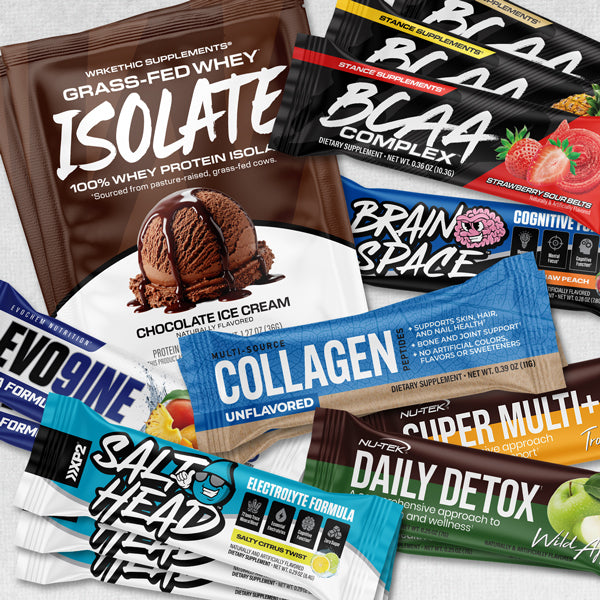
High-quality protein powders, such as WRKETHIC Grass-Fed Whey Isolate, fit well within the new guidelines when chosen intentionally. They offer a convenient way to help meet daily protein needs, especially for active individuals or busy schedules.
At Nutrishop, nutrition starts with food, but it doesn’t stop there.
What Eating the Guidelines Can Look Like
Here are simple, realistic meal ideas that align with the new recommendations:
Breakfast
Protein smoothie made with grass-fed whey protein, unsweetened milk or almond milk, frozen berries, spinach, and chia or flax seeds.
Protein smoothie made with grass-fed whey protein, unsweetened milk or almond milk, frozen berries, spinach, and chia or flax seeds.
Lunch
Grilled chicken or salmon over mixed greens with roasted vegetables, quinoa or brown rice, and olive oil.
Grilled chicken or salmon over mixed greens with roasted vegetables, quinoa or brown rice, and olive oil.
Dinner
Grass-fed beef, turkey, or fish with roasted sweet potatoes, steamed broccoli, and avocado or olive oil.
Grass-fed beef, turkey, or fish with roasted sweet potatoes, steamed broccoli, and avocado or olive oil.
These meals focus on protein, whole foods, healthy fats, and minimal processing — without being extreme or complicated.
The Bottom Line
The new Dietary Guidelines for Americans don’t call for perfection. They call for better choices, more often.
By prioritizing real food, eating enough protein, and reducing ultra-processed foods, Americans can take meaningful steps toward better health. If you’d like help applying these recommendations in a way that fits your goals and lifestyle, visit your local Nutrishop. Personalized guidance makes nutrition clearer — and far more sustainable.